‘And your heart shall be pierced by a sword’: Why Catholics celebrate Our Lady of Sorrows
On Sept. 15, the Church celebrates the feast day of Our Lady of Sorrows, which commemorates the seven sorrows of Mary tied to her Son’s salvific mission.

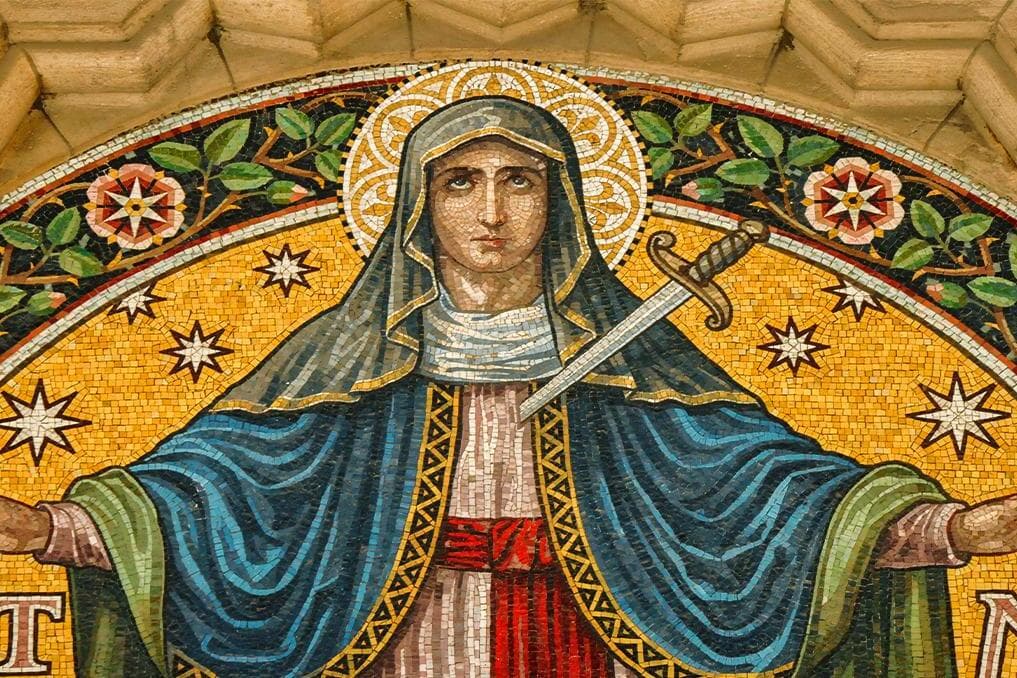
On Sept. 15, the Church celebrates the feast day of Our Lady of Sorrows, which commemorates the seven sorrows of Mary tied to her Son’s salvific mission.
The origins of the feast date back to the 13th century, according to Catholic Encyclopedia, when a province of Cologne observed the feast day on the third Sunday after Easter in expiation for the sins of the heretical group known as the Hussites. The feast focused on the sorrow of Mary during her Son’s crucifixion and death.
The Servite order has long been associated with Our Lady of Sorrows, and they began commemorating her seven sorrows on Sept. 15, 1668, and the Latin church has celebrated the feast on that day since 1814.
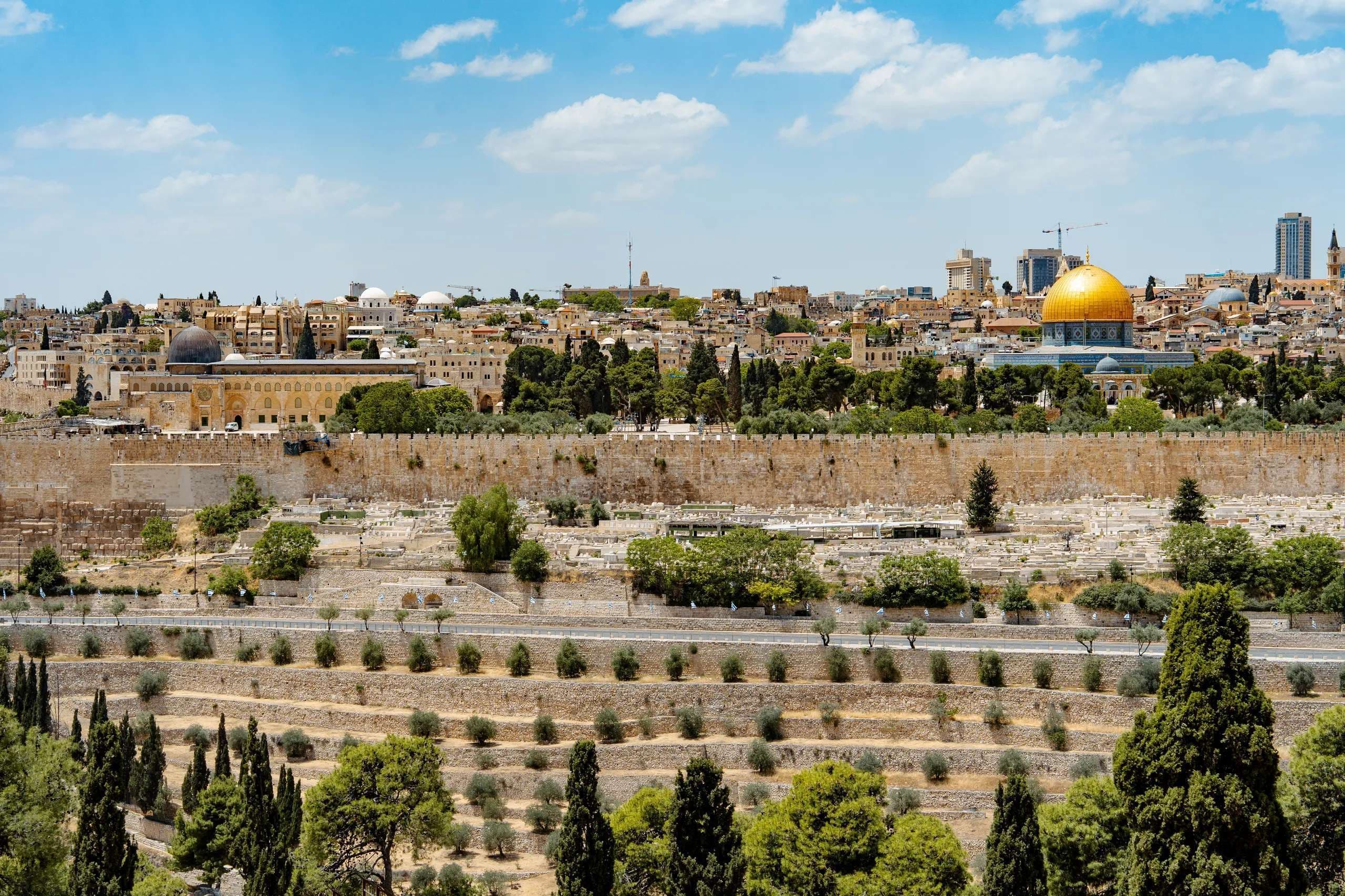
The seven sorrows of Mary correspond to seven different events in her life: the prophecy of Simeon at the Presentation of Jesus in the Temple, when he told her that her heart would be pierced by a sword; the flight into Egypt, escaping Herod’s decree to kill all the baby boys in Bethlehem; when she lost her child for three days in Jerusalem; when she met Jesus on his way to Calvary; when she stood at the foot of His cross; when He was taken from the cross; and when He was buried.
The chaplet of the seven sorrows, also known as the Rosary of the Seven Sorrows, was a popular devotion in the Middle Ages. It was revived in the apparitions of Our Lady of Kibeho, when the Blessed Mother appeared to three school girls in Kibeho, a town in Rwanda, in 1982. These apparitions were approved by the Vatican in 2001.
The website of the sanctuary in Kibeho explains how to pray the Seven Sorrows rosary. There are seven sets of seven Hail Marys and one Our Father, with meditations and prayers for each of the Seven Sorrows.
>> ‘A light for revelation to the Gentiles’: Why Catholics celebrate Candlemas <<