House speaker shares report on biblical case for border security, immigration enforcement
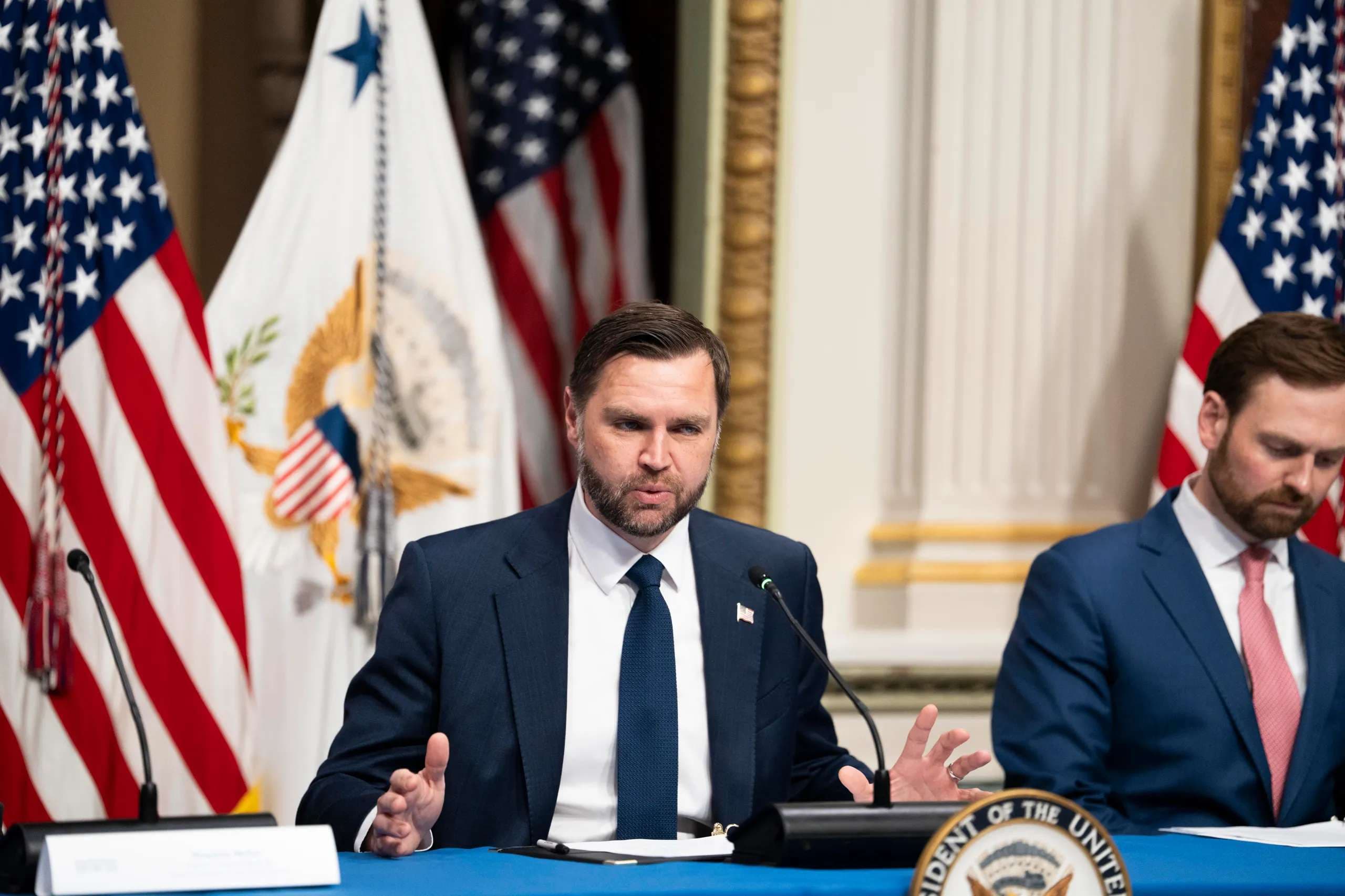
House Speaker Mike Johnson, R-La., on Feb. 3 released a written defense of border security rooted in Scripture, arguing that the Bible distinguishes between personal charity toward migrants and the state’s responsibility to enforce laws.

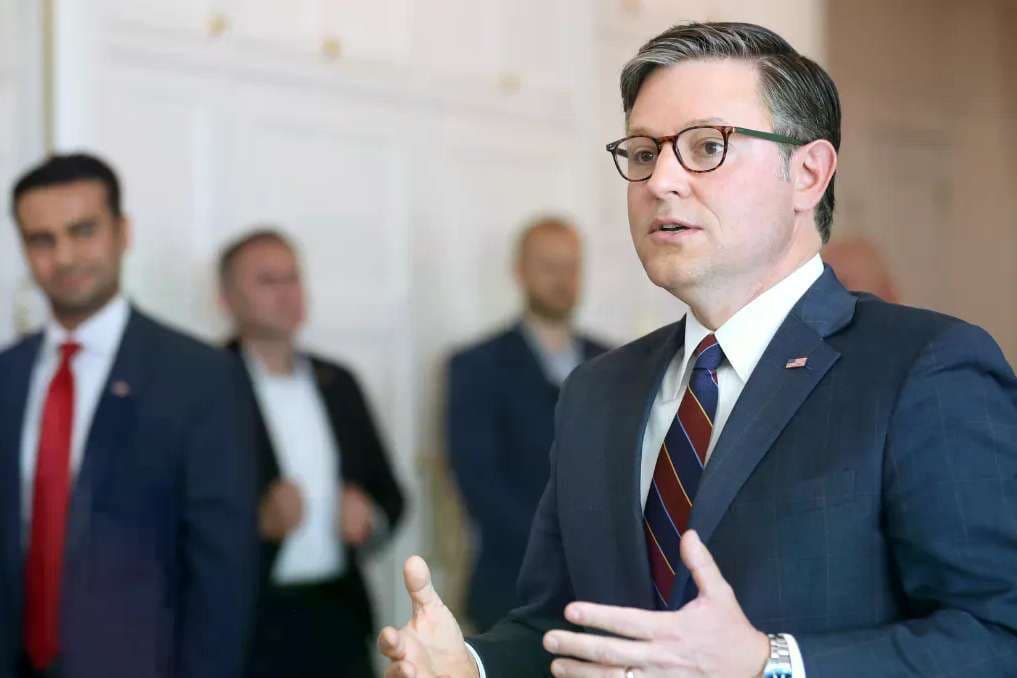
House Speaker Mike Johnson, R-La., on Feb. 3 released a written defense of border security rooted in Scripture, arguing that the Bible distinguishes between personal charity toward migrants and the state’s responsibility to enforce laws.
“Borders and walls are Biblical. From the Old Testament to the New, God has allowed us to set up our civil societies and have separate nations,” Johnson told reporters earlier in the day, summarizing the central argument of his written statement.
🚨 JUST IN: Speaker Johnson responds to the Pope citing Matthew 23:35 to oppose Trump's deportations
— Eric Daugherty (@EricLDaugh) February 3, 2026
"Sovereign borders are Biblical and right and just. It's not because we hate the people on the outside. It's because we love the people on the inside."pic.twitter.com/qVuCYx5yC5
Johnson added that the Scriptural call to “welcome the sojourner” does not negate a nation’s authority to enforce its laws or maintain borders.
In the longer explanation, which Johnson said he drafted during the Biden administration, he argued that Scripture establishes distinct spheres of responsibility for the individual, the family, the church, and civil government — assigning distinct moral obligations to each sphere. Commands to show mercy are directed primarily to individuals, while governments bear responsibility for maintaining order, enforcing laws, and protecting the innocent, Johnson said.
In the press gaggle following today's vote, I was asked to defend the Biblical case for border security and immigration enforcement. I did so, and then promised to post a longer explanation that I drafted during the Biden Administration. Here it is, and I hope it's helpful:… pic.twitter.com/tHC4kf7uEC
— Speaker Mike Johnson (@SpeakerJohnson) February 3, 2026
He argued that commonly cited passages, including Leviticus 19 and Matthew 25, articulate moral instructions for the personal conduct of Christians rather than directives for state policy.
“When Jesus spoke of embracing, caring, and providing for ‘the least of these’ (E.g., Matt. 25:31-40),” Johnson wrote, “His instruction was given to His disciples, and not the local authorities.”
Citing passages from Romans and Ecclesiastes, Johnson argued that governments that fail to punish wrongdoing undermine justice and neglect their God-given responsibilities. He said Scripture consistently affirms distinct peoples, lands, and boundaries because border enforcement serves as a defensive measure intended to preserve social order and protect human life.
Turning to contemporary concerns, Johnson argued that weak immigration enforcement enables dangerous crossings, empowers criminal cartels, fuels human trafficking, and exacerbates human suffering — harming both migrants and U.S. citizens.
Johnson concluded that mercy and justice are complementary, not competing, principles in Christian teaching, writing: “God specifically requires His people to practice both (Micah 6:8). Despite the unfounded claims of the Left, supporting a strong national border is a very Christian thing to do. The Bible tells us so.”
In a post on X, CatholicVote President and CEO Kelsey Reinhardt praised Johnson’s remarks to reporters and highlighted CatholicVote’s recent analysis of immigration enforcement and Christian moral teaching.
A great scriptural explanation that unpacks both truths of Catholic teaching: we are called to welcome the sojourner and nations have a sovereign right to enforce borders. Well said @SpeakerJohnson. We published our report on Immigration Enforcement & the Christian Conscience… https://t.co/hTi4xS1vwk
— Kelsey (Wicks) Reinhardt (@catholickelsey) February 3, 2026
“A great scriptural explanation that unpacks both truths of Catholic teaching: we are called to welcome the sojourner and nations have a sovereign right to enforce borders,” Reinhardt said.
CatholicVote’s November report, titled “Immigration Enforcement and the Christian Conscience,” argues that enforcing immigration law is not inherently immoral and that Catholic social teaching supports both compassion for migrants and prudent border control.
“Properly speaking, there is no such thing as an official ‘Catholic position’ on the practical details of immigration policy,” the report states. “Despite what some Church leaders in America have indicated, a faithful Catholic can support strong and humane immigration law enforcement — by means such as physical barriers, detention, and deportation — without violating the teaching of the Church.”