Israeli strikes kill more than 250 in Lebanon
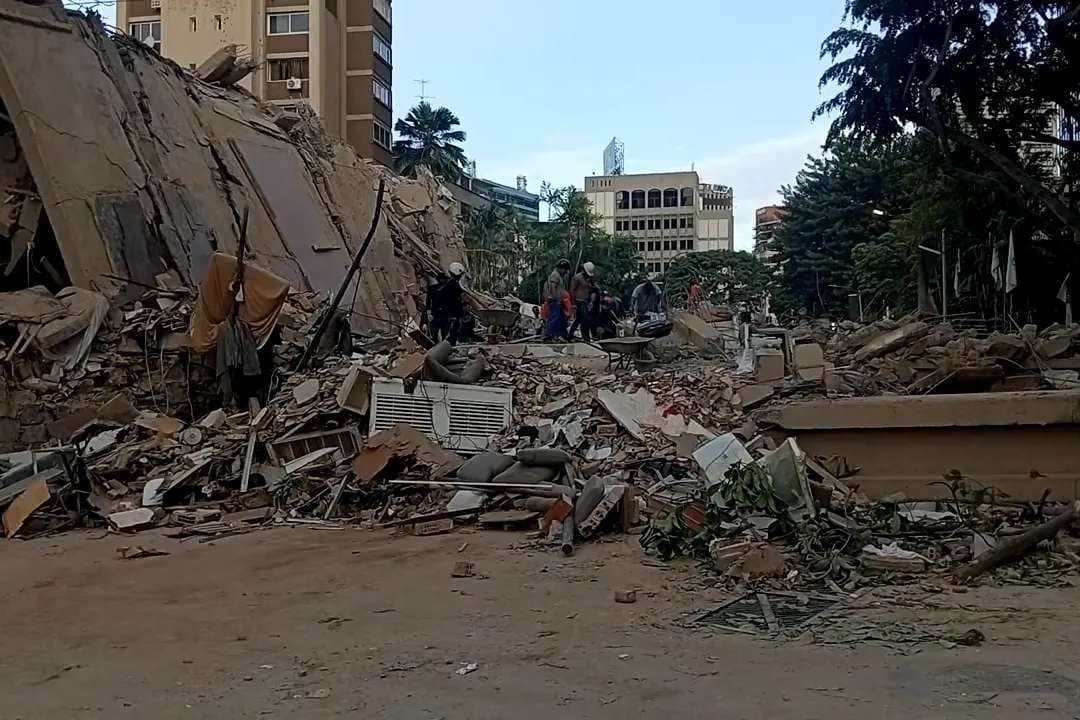
Over 250 people were killed and more than 1,000 wounded April 8 as Israel launched its largest coordinated wave of strikes across Lebanon since early March. The deadly strikes targeted more than 100 sites in Beirut, southern Lebanon, and the Bekaa Valley, according to Lebanese officials and the Israeli military.

Over 250 people were killed and more than 1,000 wounded April 8 as Israel launched its largest coordinated wave of strikes across Lebanon since early March. The deadly strikes targeted more than 100 sites in Beirut, southern Lebanon, and the Bekaa Valley, according to Lebanese officials and the Israeli military.
The ceasefire
The wave of attacks came hours after the U.S. and Iran announced a two-week ceasefire deal, but conflicting statements quickly emerged over whether Lebanon was included in the agreement.
Pakistan's Prime Minister Shehbaz Sharif, who helped broker the deal, had said in an April 7 post on X that the deal covered the “entire region, including Lebanon.”
With the greatest humility, I am pleased to announce that the Islamic Republic of Iran and the United States of America, along with their allies, have agreed to an immediate ceasefire everywhere including Lebanon and elsewhere, EFFECTIVE IMMEDIATELY.
— Shehbaz Sharif (@CMShehbaz) April 7, 2026
I warmly welcome the…
However, Israeli Prime Minister Benjamin Netanyahu said in an April 8 statement that the deal "does not include Lebanon," according to Al Jazeera. President Donald Trump also told PBS NewsHour that the conflict in Lebanon was "a separate skirmish" on which the ceasefire had no bearing.
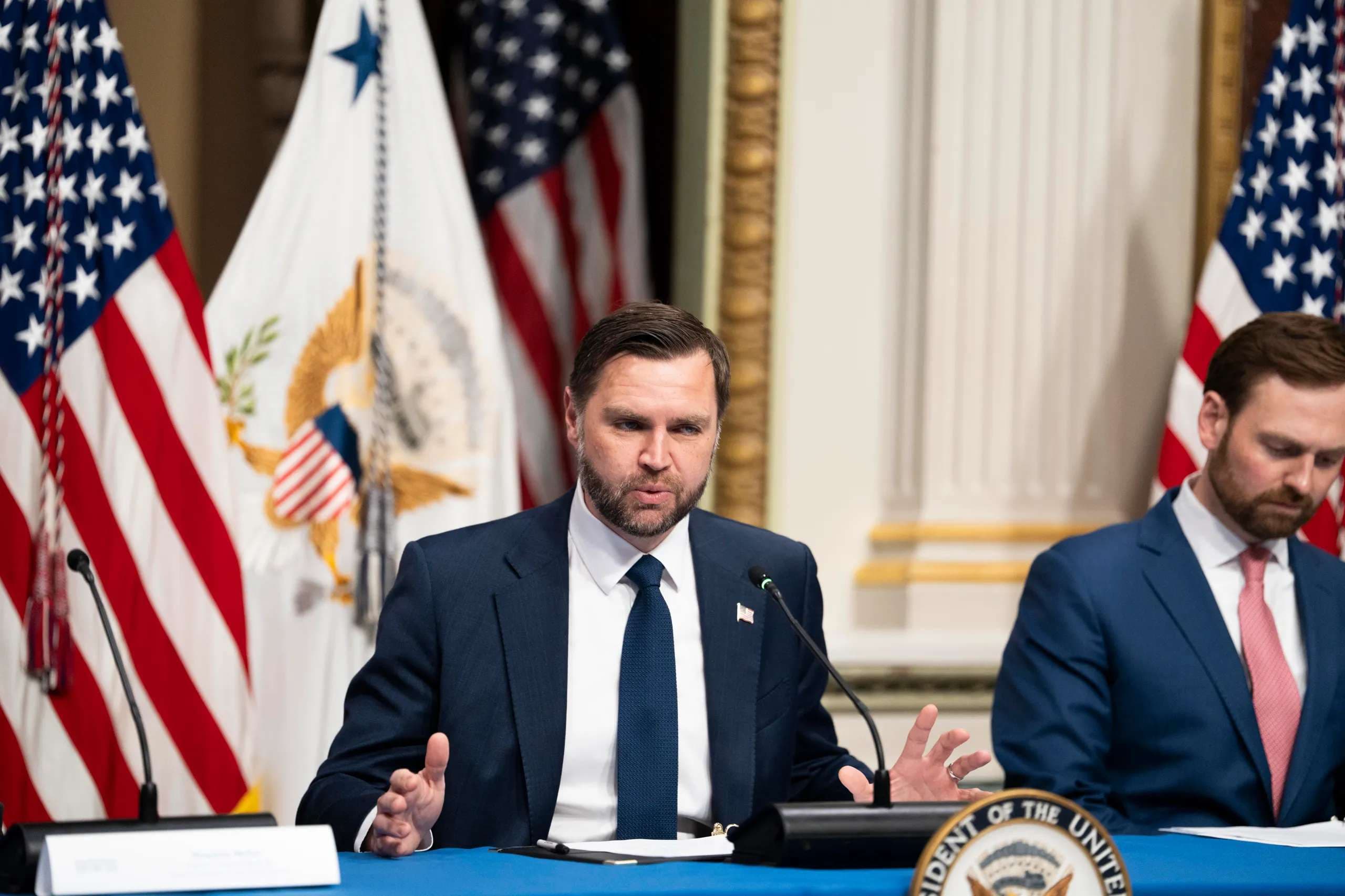
Vice President JD Vance later said the discrepancy stemmed from a misunderstanding: Iran appeared to believe Lebanon was covered, but it was not.
“I think the Iranians thought that the ceasefire included Lebanon, and it just didn’t,” Vance said. “We never made that promise. We never indicated that would be the case. What we said is that the ceasefire would be focused on Iran and America’s allies.”
🚨 JUST IN: JD Vance says Lebanon was NOT supposed to be included in their two-week ceasefire, but believes the Iranians THOUGHT Lebanon was included
— Nick Sortor (@nicksortor) April 8, 2026
This comes after Iran accused Israel of VIOLATING the peace deal with massive strikes in Lebanon today
"First of all, I actually… pic.twitter.com/bdDSNybgKg
The strikes
The strikes came without warning. Lebanon’s Civil Defence reported 254 people were killed and 1,165 wounded in the strikes as of April 8.
In a video statement on X, Israel Katz, Israel’s defense minister, described the operation as “the largest concentrated blow Hezbollah has suffered since Operation Beeper,” referring to a 2024 attack in which pager bombs killed and wounded hundreds of the group’s members.
Katz said the Israeli military struck over 100 Hezbollah targets within one minute. The sites included command centers, intelligence sites, missile and naval infrastructure, and positions tied to the group’s elite Radwan force.
Katz claimed the facilities were embedded in civilian areas as part of Hezbollah's “strategy” of using civilians as “human shields."
As long as Hezbollah continues to threaten our civilians, we will continue to operate against them. pic.twitter.com/TD5VOGLcNO
— Israel Defense Forces (@IDF) April 8, 2026
Response from officials
According to PBS News, Lebanese Prime Minister Nawaf Salam condemned the strikes as attacks on civilian areas committed "in utter disregard for the principles of international law and international humanitarian law.” Salam called on "all of Lebanon's friends to help us stop these attacks by all available means." Haneen Sayed, Lebanon’s Minister of Social Affairs, called the strikes a "very dangerous turning point," noting that half of all internally displaced persons sheltering in Beirut were housed in neighborhoods that were struck.
Lebanese President Joseph Aoun condemned the strikes as "barbaric," according to the London-based Arabic newspaper Asharq Al-Awsat.
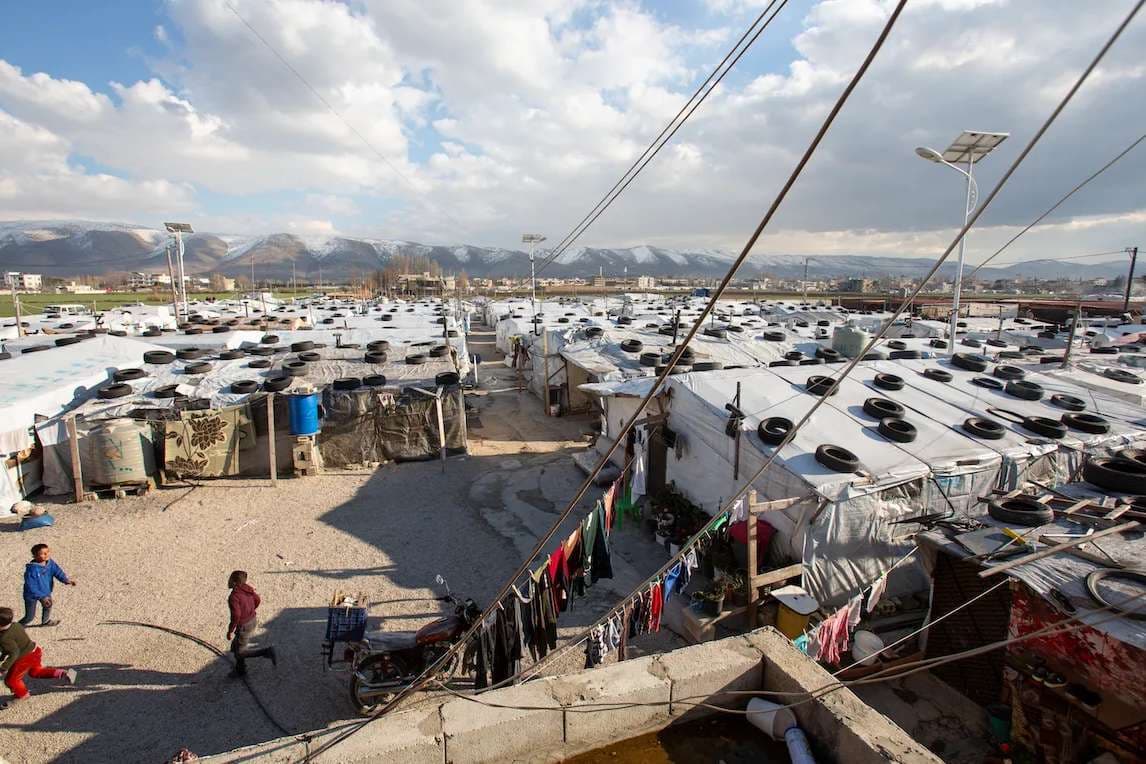
Since Israel launched military operations March 2, more than 1,530 people have been killed in Lebanon, according to the Lebanese Health Ministry, including more than 100 women and 130 children. More than 1.2 million people, roughly 1 in 5 of the country's population, have been displaced.