Pro-Israel Catholic group asks Pope Leo to clarify whether modern Israel has theological legitimacy
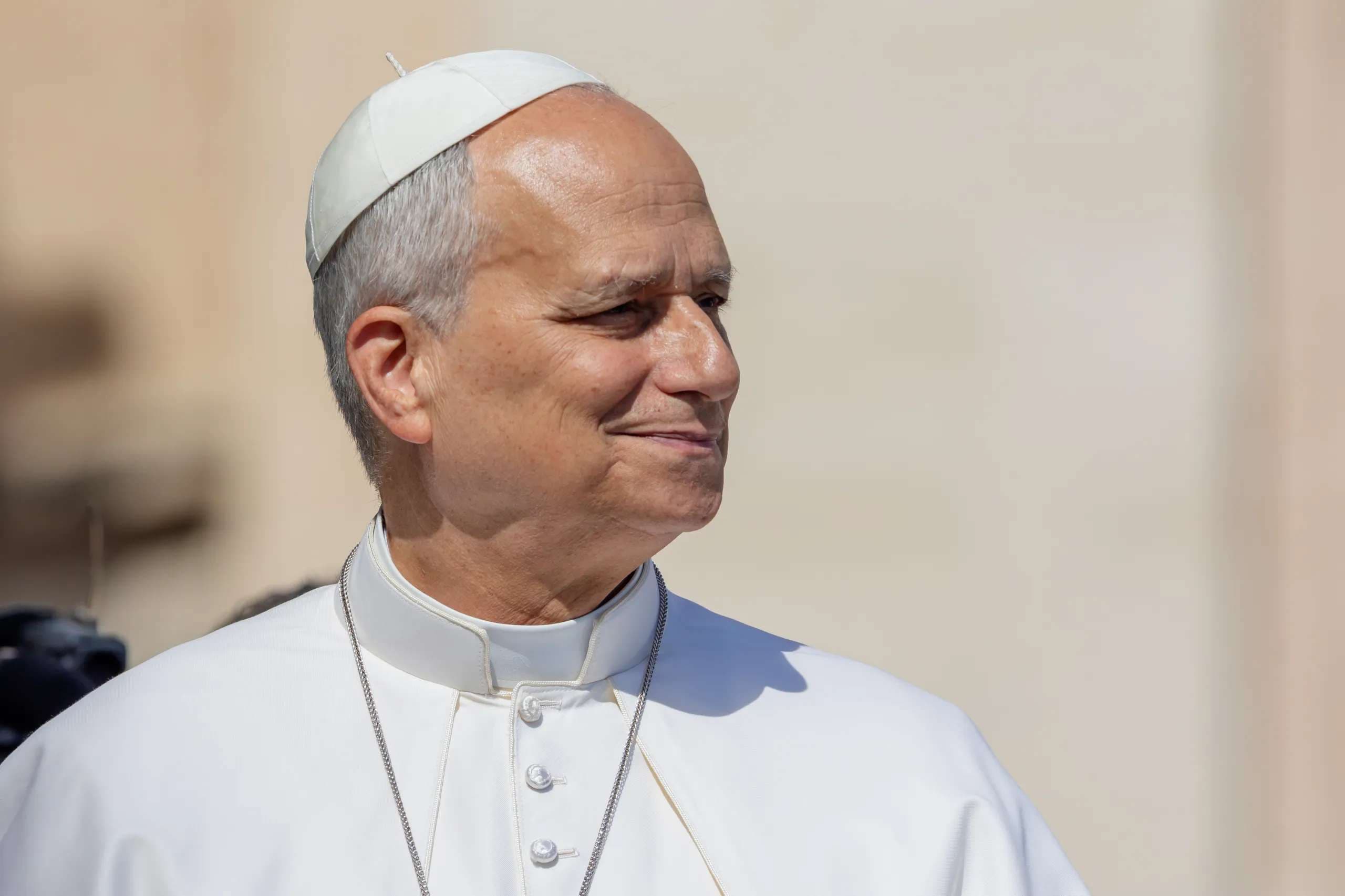
The founders of a pro-Israel Catholic advocacy group asked Pope Leo XIV in a June 22 letter to clarify whether Catholics should view the modern State of Israel as having theological legitimacy, raising a question that has taken on a new urgency amid renewed public debate over Zionism and ongoing violence in Gaza and the West Bank.

The founders of a pro-Israel Catholic advocacy group asked Pope Leo XIV in a June 22 letter to clarify whether Catholics should view the modern State of Israel as having theological legitimacy, raising a question that has taken on a new urgency amid renewed public debate over Zionism and ongoing violence in Gaza and the West Bank.
The founders of Catholic Voices for Israel, Fr. Antoine Lévy, OP, and André Villeneuve, a professor, asked in the open letter whether the creation and continued existence of Israel should be interpreted as “a sign of God’s providence.”
The authors argued that the Church’s silence on the question has allowed some Catholic critics of Israel to revive supersessionist arguments — the traditional Catholic stance that the Church is the New Israel and the fulfillment of God’s covenant with the people of the Old Testament.
“We therefore dare to submit the following question to Your Holiness: should Catholics interpret the creation and enduring existence of the State of Israel as a sign of God’s providence — or should they not?” the letter states.
The Holy See has long supported a negotiated two-state solution as the best path forward in the Holy Land, and Pope Leo has repeatedly affirmed the right of Palestinians in the region to retain their land. In a 1993 Fundamental Agreement, the Vatican formally recognized the State of Israel, and in 2015, it signed an agreement recognizing the State of Palestine, as Zeale News previously reported. The Holy See, however, has generally avoided assigning theological meaning to modern political states.
Lévy and Villeneuve argued that the Church’s “theological silence” has been “easily weaponized” by those who “strive to sever the close ties with the Jewish people and their faith tradition that the Church has labored to restore since the Second Vatican Council.”
The authors argued that supporters of supersessionism “deceitfully” apply the term “one true Israel” exclusively to the Church, rather than also applying it to the Jewish nation. They cited statements from Daniel Suazo, a Catholic convert from Judaism who opposes Zionism and has called Catholics “the true Israel,” and from Matthew Tsakanikas, a theology professor at Christendom College, who has called the Mystical Body of Christ a “reconstituted Israel” and that Jesus has “become the Promised Land.”
“[I]f Jews are to blend into a Body where distinctions of blood and ethnicity count for nothing, how could they continue to exist as a distinct people; and if God’s favor now rests entirely upon that Body, has it not simply superseded them — in the literal sense of supersedere — as the former object of election?” they wrote, adding that they believe such views “overturn the whole process of theological reflection on Jews and Judaism engaged since the Second Vatican Council.”
The letter argues that if Catholics understand the Jewish people’s continued existence as part of God’s design, the modern State of Israel may also require theological consideration.
The authors said acknowledging theological legitimacy for Israel would not mean endorsing every action of the Israeli government, approving its current borders, or opposing the creation of an independent Palestinian state, saying that Israel’s theological significance would not give the state a “blank check” for its policies.
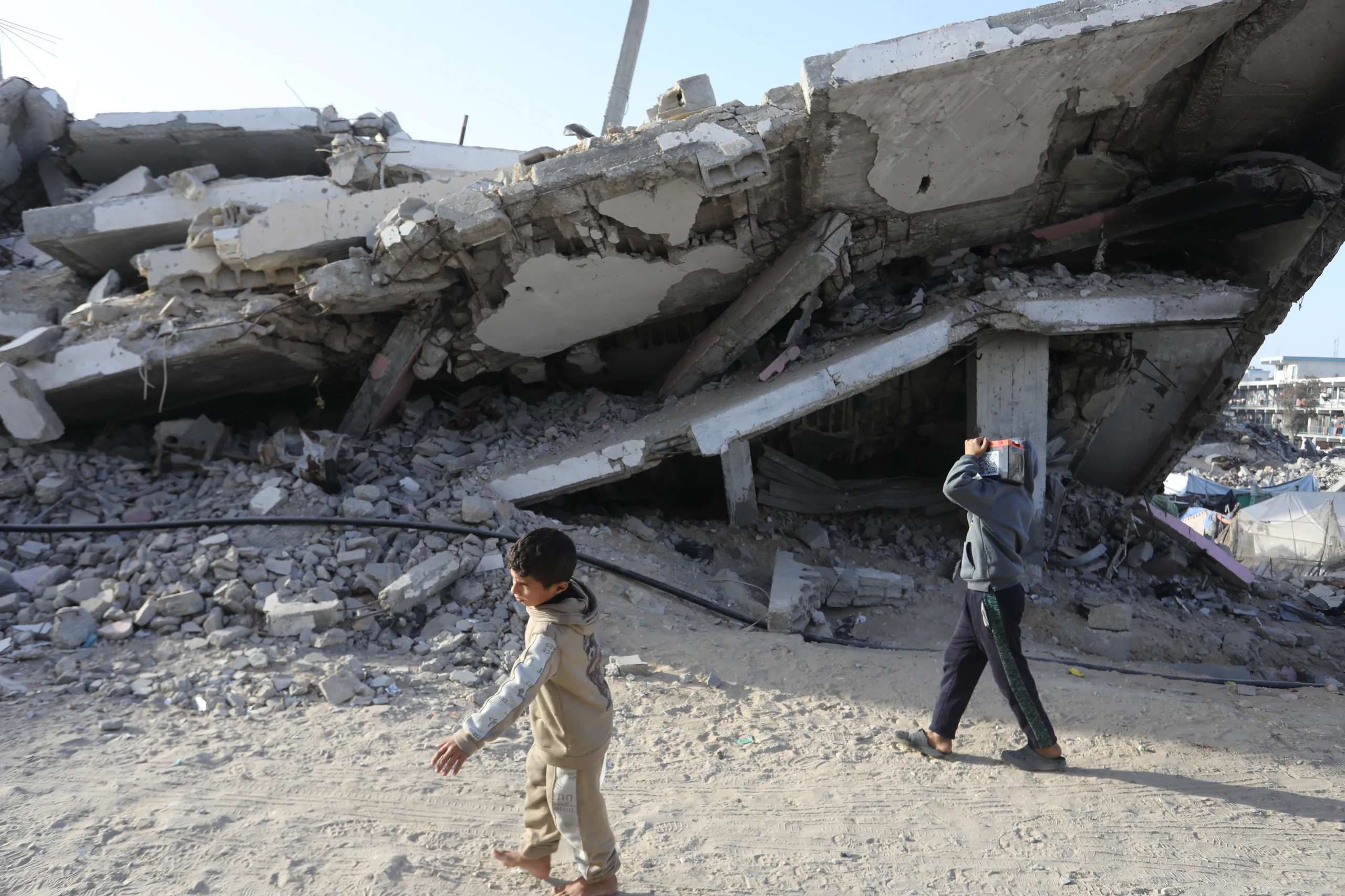
The letter also acknowledged the destruction and suffering in Gaza since Hamas’ Oct. 7, 2023, attacks, saying the authors leave to others the task of judging whether Israel’s government has exceeded its right to self-defense. But they argued that criticism of Israeli policy has increasingly shifted into questioning the state’s right to exist.
“What is questioned is not this or that policy of a particular government, but the very legitimacy of the State to exist and to persevere in its existence,” they wrote.
>> UN independent report says Israel targeted children in Gaza, committing genocide <<
Lévy and Villeneuve said they are not claiming to resolve the issue themselves, but are asking the Holy See to make a judgment.
“At a moment when the world attends to the voice of the Pope with particular hope,” they wrote, “clinging to the ‘theological silence’ that has prevailed until now would risk doing more harm to the Church’s witness than the prudence it was meant to preserve.”
>> Cardinal Pizzaballa visits Christians in Gaza: 'You'll never be abandoned’ <<