Shakespeare is for everyone! An introduction to loving the bard

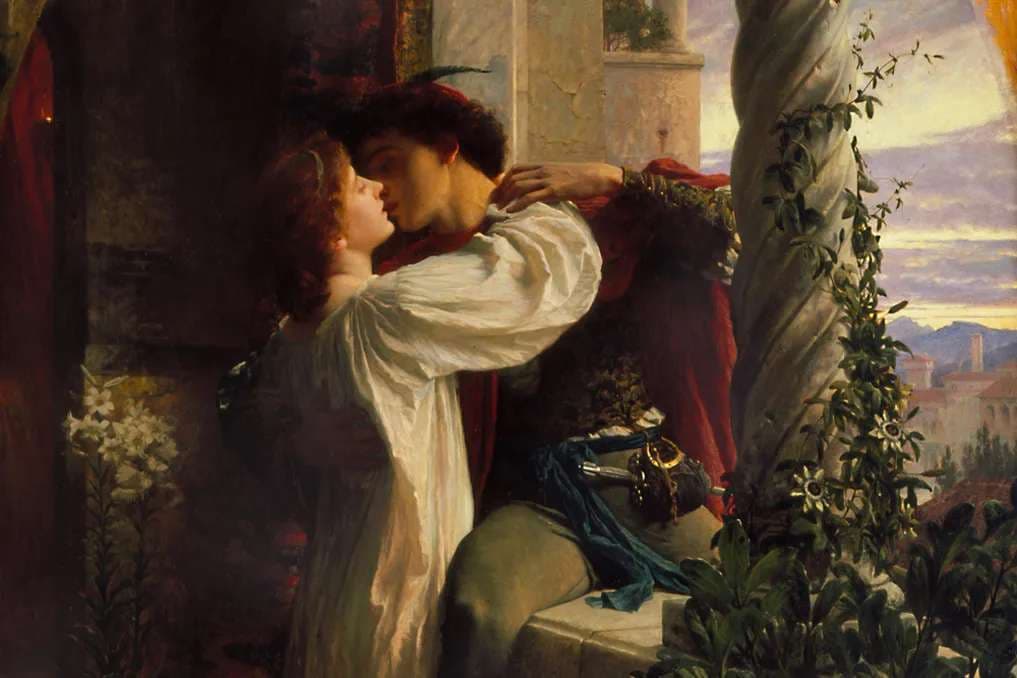
Shakespeare is widely regarded as the greatest and most influential writer of the English language, yet many people find the archaic language and complex plots inaccessible at first.
But his plays should not be avoided and left only to be studied by English majors and theater kids – in fact, his original audiences at the Globe Theatre in the late 16th century included people from nearly every social class, since the admission cost was only a penny, the same price as a loaf of bread.
So how can modern audiences get into his works? Here’s some advice to make you fall in love with the Bard:
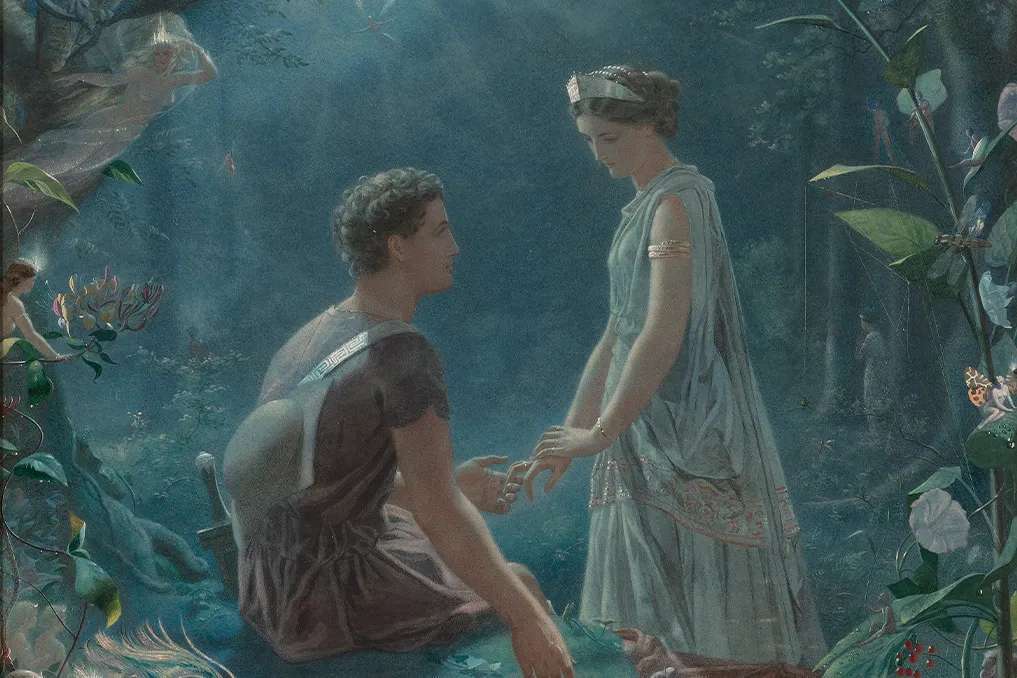 Hermia and Lysander by John Simmons, 1870
1. Watch the plays before you read them!
I had a high school teacher who told us that Shakespeare’s plays were the only works of literature for which she advised watching the movies first. Whether you see a play in-person, recorded, or a movie adaptation, it helps to hear the language spoken out loud. Moreover, the plays were meant to be enjoyed by an audience, not just studied by academics.
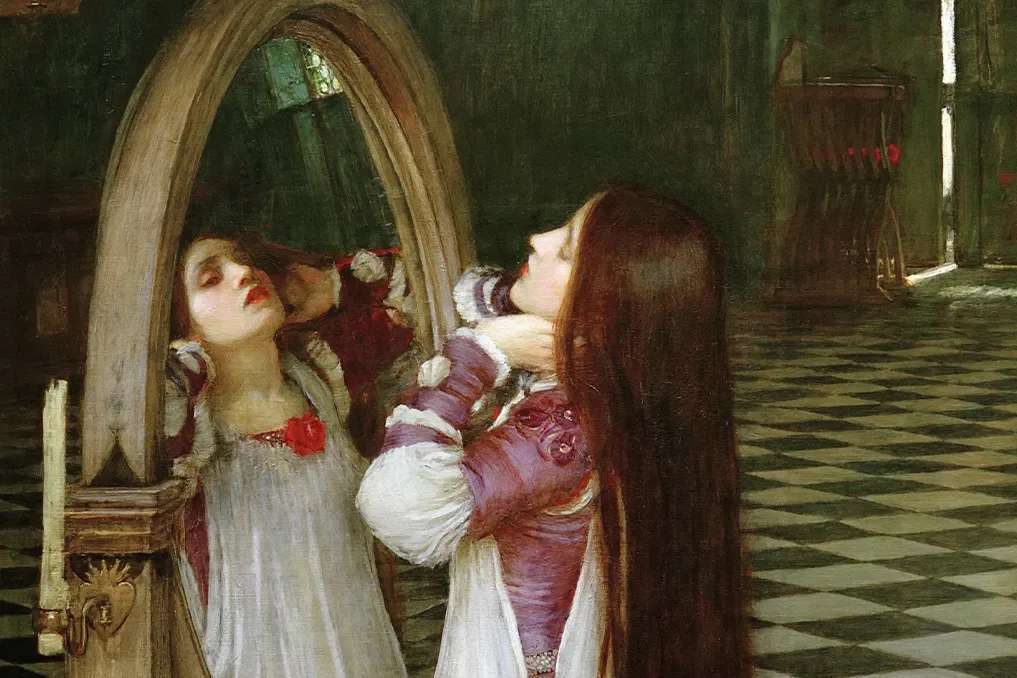 Mariana in the South by John William Waterhouse, 1897
2. Read them while listening to an audio version
Once you’re ready to read the play yourself, listening to an audio version as you read can be a delightful way to immerse yourself in the play. You will hear the beautiful cadence and rhythm of the poetry, and it will be easier to understand the more challenging dialogue when you hear it spoken.
 David Garrick as Richard III by William Hogarth, 1745
3. Use an annotated edition of the play
There are plenty of options for copies of Shakespeare’s plays that provide historical context, vocabulary, and other references. Ignatius Critical Editions are an excellent option for diving into the Catholic themes of his plays.
Shakespeare’s plays are some of the foundational texts of English literature, and it is part of our cultural inheritance both as Christians and as Americans, the cultural descendants of England. His plays were written for royals and peasants alike and are a delight for modern audiences.