US bishops’ migration chairman raises concerns after Supreme Court allows TPS terminations for Haitians, Syrians
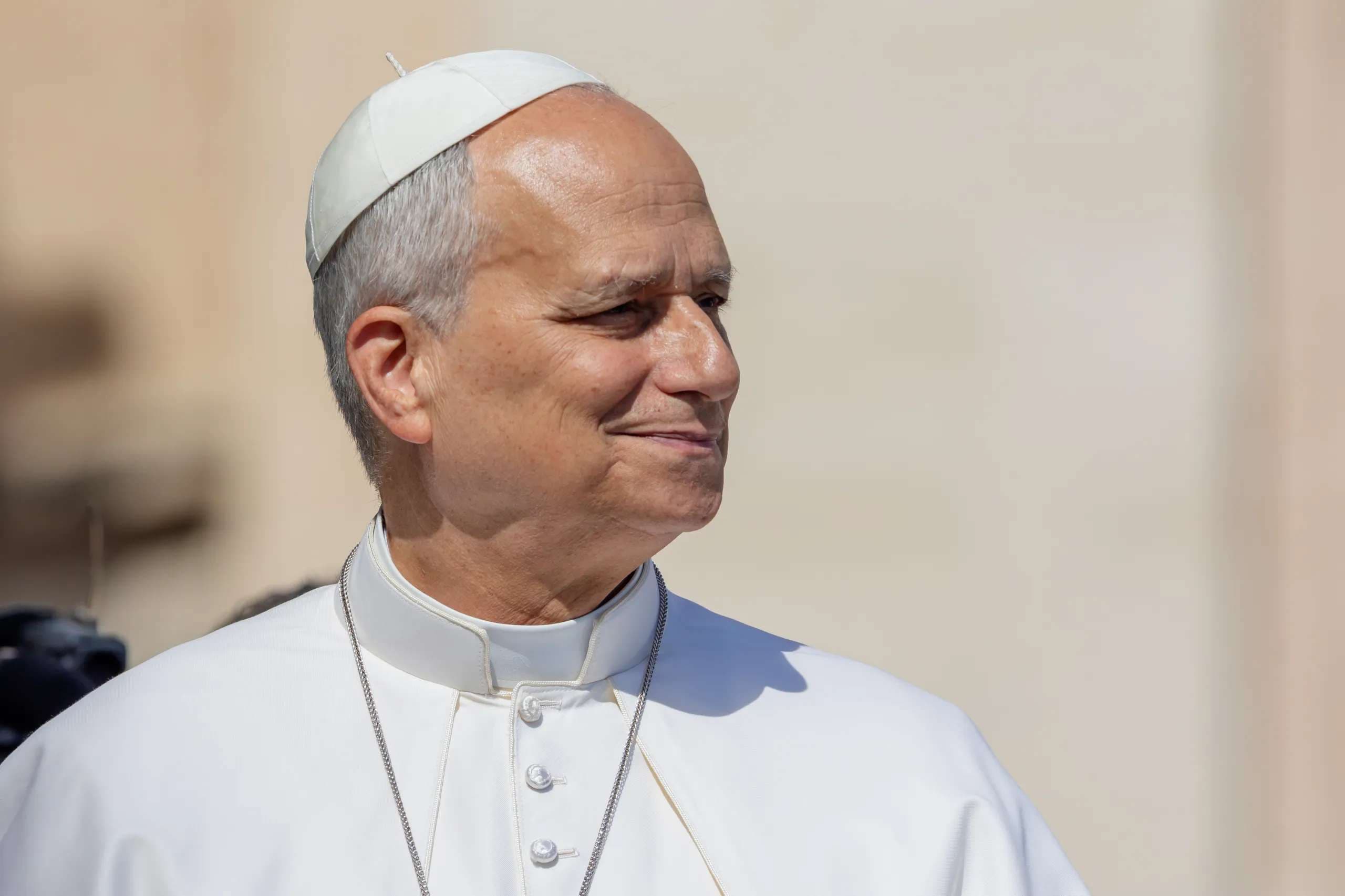
Bishop Brendan Cahill, chairman of the United States Conference of Catholic Bishops’ (USCCB) Committee on Migration, criticized the Trump administration’s effort to terminate Temporary Protected Status (TPS) for nationals of Haiti and Syria, arguing that removal could place some families in unsafe conditions.

Bishop Brendan Cahill, chairman of the United States Conference of Catholic Bishops’ (USCCB) Committee on Migration, criticized the Trump administration’s effort to terminate Temporary Protected Status (TPS) for nationals of Haiti and Syria, arguing that removal could place some families in unsafe conditions.
“Revoking the legal status of hundreds of thousands of people residing in our country creates a moral crisis when returning to their country of origin is not a safe or reasonable option,” Bishop Cahill said in a June 26 statement. “If we are truly to affirm the God-given dignity of every human person, we as a nation cannot turn a blind eye to such an injustice and the impossible choices it will create for families and communities.
The statement came one day after the Supreme Court ruled 6-3 to allow the administration to proceed with terminating TPS designations for Haiti and Syria, reversing lower court orders that had blocked the move, as Zeale News previously reported.
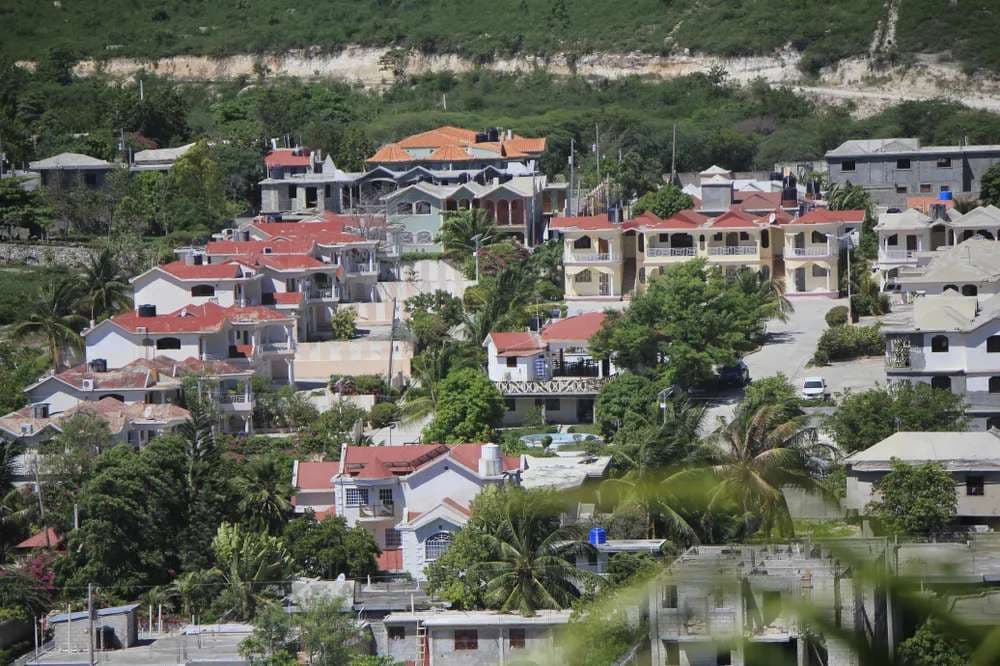
TPS, which Congress created in 1990, allows foreign nationals to remain temporarily in the U.S. and receive work authorization when conditions in their home countries — including war, natural disasters, or other extraordinary circumstances — make return unsafe. Haiti first received TPS in 2010 after the country’s earthquake, while Syria received the designation in 2012 amid the country’s civil war.
The Trump administration announced the changes in 2025, arguing that TPS is, by design, a temporary measure rather than a pathway to permanent residency. Officials said the conditions in Haiti and Syria had improved sufficiently and no longer met the statutory standard for ongoing designation, clearing the way for Haitians and Syrians to return home.
>> Supreme Court hands Trump administration 2 immigration wins <<
Lower courts had blocked the terminations, but Justice Samuel Alito, writing for the conservative majority, said the challengers’ claims were unlikely to succeed and held that TPS termination decisions are generally not reviewable on non-constitutional grounds. The court also rejected claims that the Haiti decision was motivated by racial animus.
Bishop Cahill urged the administration to use Deferred Enforced Departure if it proceeds with the TPS terminations. The discretionary presidential protection allows certain foreign nationals to remain in the U.S. temporarily.
“Forcibly sending families to dire conditions is a legacy all leaders should seek to avoid,” the bishop wrote. “To that end, my brother bishops and I also continue to call upon Congress to act — to meet this moment with the moral fortitude that is so desperately needed.”
The USCCB issued a similar statement in January, urging the administration to extend protections for Haitians in the U.S. As Zeale News previously reported, the bishops argued at the time that “ongoing conditions in Haiti” warranted continued protection.